The Post Title 3
In today's fast-paced world, the importance of effective communication cannot be overstated. Whether you are a student, a professional, or someone looking to improve personal relationships, mastering the art of communication can significantly enhance your interactions. This blog post will explore various aspects of communication, providing practical tips and insights to help you become a more effective communicator.
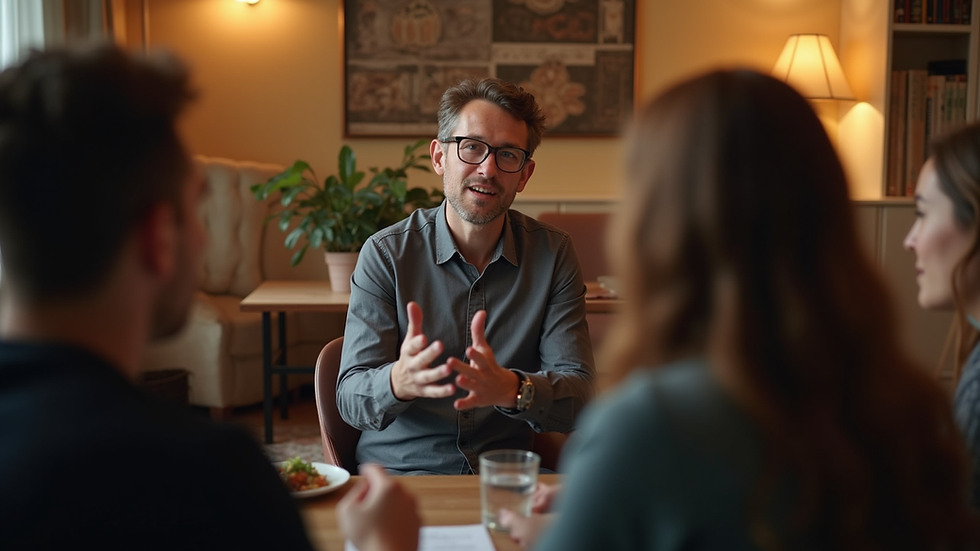
Understanding Communication
Communication is the process of exchanging information, ideas, thoughts, and feelings. It can take many forms, including verbal, non-verbal, written, and visual. Understanding the different types of communication is crucial for effective interaction.
Types of Communication
Verbal Communication
This involves the use of spoken or written words. It is essential to articulate your thoughts clearly and concisely. Effective verbal communication can help you convey your message accurately.
Non-Verbal Communication
Body language, facial expressions, and gestures play a significant role in how we communicate. Being aware of your non-verbal cues can enhance your message and help you connect with others on a deeper level.
Written Communication
Emails, reports, and text messages are common forms of written communication. Clarity and brevity are key to ensuring your written messages are understood.
Visual Communication
This includes images, graphs, and charts. Visual aids can help clarify complex information and make your message more engaging.
The Importance of Active Listening
One of the most critical aspects of effective communication is active listening. This means fully concentrating on what the other person is saying, rather than just passively hearing their words. Here are some tips to improve your active listening skills:
Maintain Eye Contact
This shows the speaker that you are engaged and interested in what they are saying.
Avoid Interrupting
Let the speaker finish their thoughts before responding. This demonstrates respect and allows for a more meaningful exchange.
Ask Clarifying Questions
If something is unclear, don't hesitate to ask questions. This not only shows your interest but also helps you understand the message better.
Paraphrase
Summarizing what the speaker has said can confirm your understanding and encourage further discussion.
Building Empathy in Communication
Empathy is the ability to understand and share the feelings of others. It is a vital component of effective communication, as it fosters connection and trust. Here are some ways to build empathy in your interactions:
Put Yourself in Their Shoes
Try to understand the other person's perspective. This can help you respond more thoughtfully.
Acknowledge Feelings
Validating someone's emotions can strengthen your relationship and make them feel heard.
Practice Patience
Sometimes, people need time to express their thoughts and feelings. Allowing them that space can lead to more meaningful conversations.
Overcoming Communication Barriers
Despite our best efforts, communication barriers can arise. These barriers can stem from various sources, including cultural differences, emotional states, and environmental factors. Here are some strategies to overcome these challenges:
Cultural Sensitivity
Understanding cultural differences is essential in today's diverse world. Be aware of how cultural backgrounds can influence communication styles. For example, some cultures may value directness, while others may prefer a more indirect approach.
Emotional Awareness
Our emotions can significantly impact how we communicate. If you are feeling stressed or upset, it may be challenging to convey your message effectively. Recognizing your emotional state and taking steps to manage it can improve your communication.
Environmental Factors
Distractions in your environment can hinder effective communication. Try to minimize noise and interruptions when engaging in important conversations. Choosing a comfortable and quiet setting can enhance the quality of your interactions.
The Role of Feedback in Communication
Feedback is a crucial element of effective communication. It allows individuals to understand how their message was received and provides an opportunity for improvement. Here are some tips for giving and receiving feedback:
Giving Constructive Feedback
Be Specific
Instead of vague comments, provide clear examples of what worked well and what could be improved.
Focus on Behavior, Not Personality
Address specific actions rather than making personal judgments. This approach fosters a more positive atmosphere.
Encourage Dialogue
Invite the recipient to share their thoughts on the feedback. This can lead to a more productive conversation.
Receiving Feedback Gracefully
Listen Openly
Approach feedback with an open mind. Avoid becoming defensive, as this can hinder your growth.
Ask for Clarification
If you don't understand the feedback, ask for specific examples or suggestions for improvement.
Reflect and Act
Take time to consider the feedback and implement changes where necessary. This shows a commitment to personal growth.
Enhancing Your Communication Skills
Improving your communication skills is an ongoing process. Here are some practical steps you can take to enhance your abilities:
Practice Public Speaking
Public speaking can be intimidating, but it is a valuable skill. Consider joining a local Toastmasters club or participating in community events to practice speaking in front of an audience.
Engage in Conversations
Make an effort to engage in conversations with a variety of people. This can help you become more comfortable expressing your thoughts and ideas.
Read and Write Regularly
Reading books and articles can expose you to different communication styles and vocabulary. Writing regularly can also help you articulate your thoughts more clearly.
The Impact of Technology on Communication
Technology has transformed the way we communicate. While it offers many advantages, it also presents challenges. Here are some ways technology impacts communication:
Advantages of Technology
Instant Communication
Technology allows for immediate communication, making it easier to connect with others regardless of distance.
Access to Information
The internet provides a wealth of information, enabling individuals to learn and communicate more effectively.
Challenges of Technology
Misinterpretation
Written communication can sometimes lead to misunderstandings due to the lack of non-verbal cues.
Over-Reliance on Digital Communication
While technology is convenient, it can lead to a decline in face-to-face interactions, which are essential for building strong relationships.
Conclusion
Effective communication is a vital skill that can enhance your personal and professional life. By understanding the different types of communication, practicing active listening, building empathy, overcoming barriers, and seeking feedback, you can become a more effective communicator. Remember, the journey to improving your communication skills is ongoing, and every interaction is an opportunity to learn and grow. Start today by engaging in meaningful conversations and applying these tips to your daily interactions.


Comments